

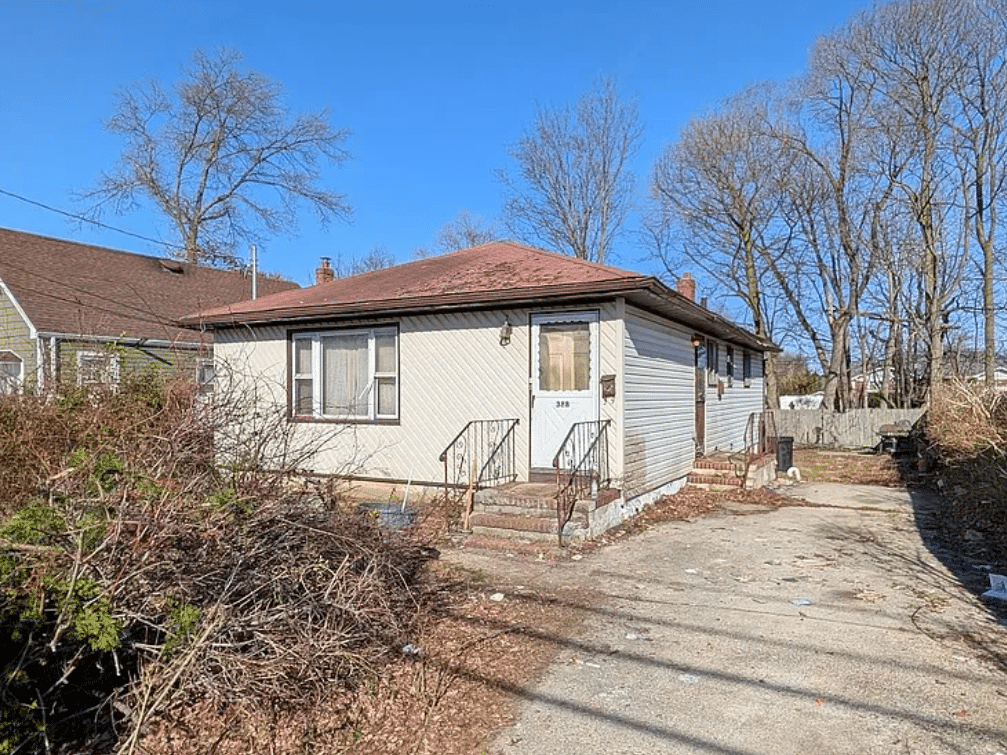
Selling a House in Suffolk County With Property Tax Debt
Most homeowners carrying delinquent property taxes assume they are stuck. They figure the debt makes the house unsellable, or they worry a buyer will walk the moment it comes up in the title search. Neither of those things is true. You can sell a house in Suffolk County with back taxes owed, and plenty of people do it every year. What matters is understanding how the debt gets handled so you are not caught off guard at closing. JD Buys Your House works with homeowners in exactly this situation across Long Island, and the first thing we tell them is the same thing this post covers: get the real numbers in front of you before you decide anything. How Property Tax Debt Works in Suffolk County Suffolk County property taxes are billed twice a year, and missing a payment puts you in delinquent status immediately. That sounds alarming, but falling behind here is more common than most people admit. Long Island has some of the highest property taxes in the country, and a job change, a medical bill, or a difficult stretch of a few months can push a homeowner into arrears fast. The important distinction to understand is the difference between a tax lien and a foreclosure. A lien means the county has a legal claim on your property for the amount owed. It does not mean you have lost the house. Foreclosure is a separate process that only comes into play after a prolonged period of nonpayment, and even then, it moves slowly in New York. According to the New York State Department of Taxation and Finance, property owners have the right to redeem a lien at any point before the foreclosure process is finalized. Most sellers researching this question still have real options available to them. The window is not closed. What changes over time is the cost. Back taxes in New York accrue penalties and interest, and after two or three years, the actual payoff amount can be meaningfully higher than the original bill. That is the number you need to know before you make any decisions. The Debt Gets Paid at Closing, Not Before One thing that surprises sellers is that you do not have to pay the back taxes out of pocket before you can sell. The title company handling your closing will require a clear title, and any outstanding liens will be satisfied directly from your sale proceeds before you receive anything. The process is fairly mechanical: the title company requests a payoff letter, the debt is paid at the closing table, and you receive whatever is left. This means the real question is not whether you can sell. The question is whether there is enough equity in the house to cover the debt, the mortgage balance if you have one, and the costs of the sale, and still leave you with something at the end. Before you accept any offer or sign anything with an agent, contact the Suffolk County Comptroller’s office and request an official payoff letter. Each town in Suffolk County handles billing independently, so depending on where your property sits, you may be dealing with Babylon, Islip, Huntington, Brookhaven, Smithtown, or one of the others. The payoff amount changes as interest accrues, so get a letter tied to a specific date and treat that as your baseline number. How Your Selling Path Affects the Outcome Listing with an agent is still a viable option when you have enough equity and enough time. Your agent lists the house, a buyer makes an offer, and the lien gets resolved at closing, the same way it would in any sale. The complication is the timeline. A traditional listing in Suffolk County can take several months from listing to close, and during that time, the penalties and interest on your back taxes keep growing. If the debt is already large, a longer timeline works against you. Selling to a cash buyer removes the mortgage approval step entirely, simplifying the process considerably. A cash buyer can typically close in three weeks or less. The debt still gets paid at closing the same way, but the shorter timeline means less accrual and less uncertainty. The offer will be below full market value, so you need to run the numbers honestly. Compare what you net after the tax payoff and closing costs on a cash sale against what you would net after the same payoff, agent commissions, and carrying costs on a longer listing. Sometimes the difference is smaller than it looks on paper. Doing nothing is worth addressing directly. If the debt goes unresolved long enough, Suffolk County can move toward an in-rem foreclosure proceeding, a legal process that can end with you losing the property entirely and walking away with nothing. It is a slow process in New York, but it is real. Most homeowners in this situation still have time to act. Waiting is the option that closes all the other options. Not sure what you owe or how much equity you have left after the payoff? Contact JD Buys Your House, and we can walk you through the numbers before you commit to anything. There is no obligation and no pressure. What to Work Out Before You Decide Once you have the payoff letter, do the math on your equity position. Take a realistic estimate of what your house would sell for, subtract the tax payoff, subtract your mortgage balance if you have one, and subtract closing costs. What remains is your actual number. If that number is healthy, you have a real choice between listing and selling direct, and you can make it based on your timeline and how much work you want to put into the process. If that number is thin, speed becomes more important than price, because every month you wait adds more to the payoff balance. There is one additional timing issue specific to Suffolk County that sellers should be aware of. The county periodically holds